Table of contents
Modern forestry equipment has revolutionized the way brush clearing is approached, transforming what was once a labor-intensive and time-consuming task into a streamlined process. By harnessing advanced technology and precision engineering, these machines deliver unmatched performance in both speed and safety. Discover in the following sections how innovation in forestry equipment is setting new standards in efficiency and effectiveness, making brush clearing easier, faster, and more sustainable than ever.
Advanced mechanization in brush clearing
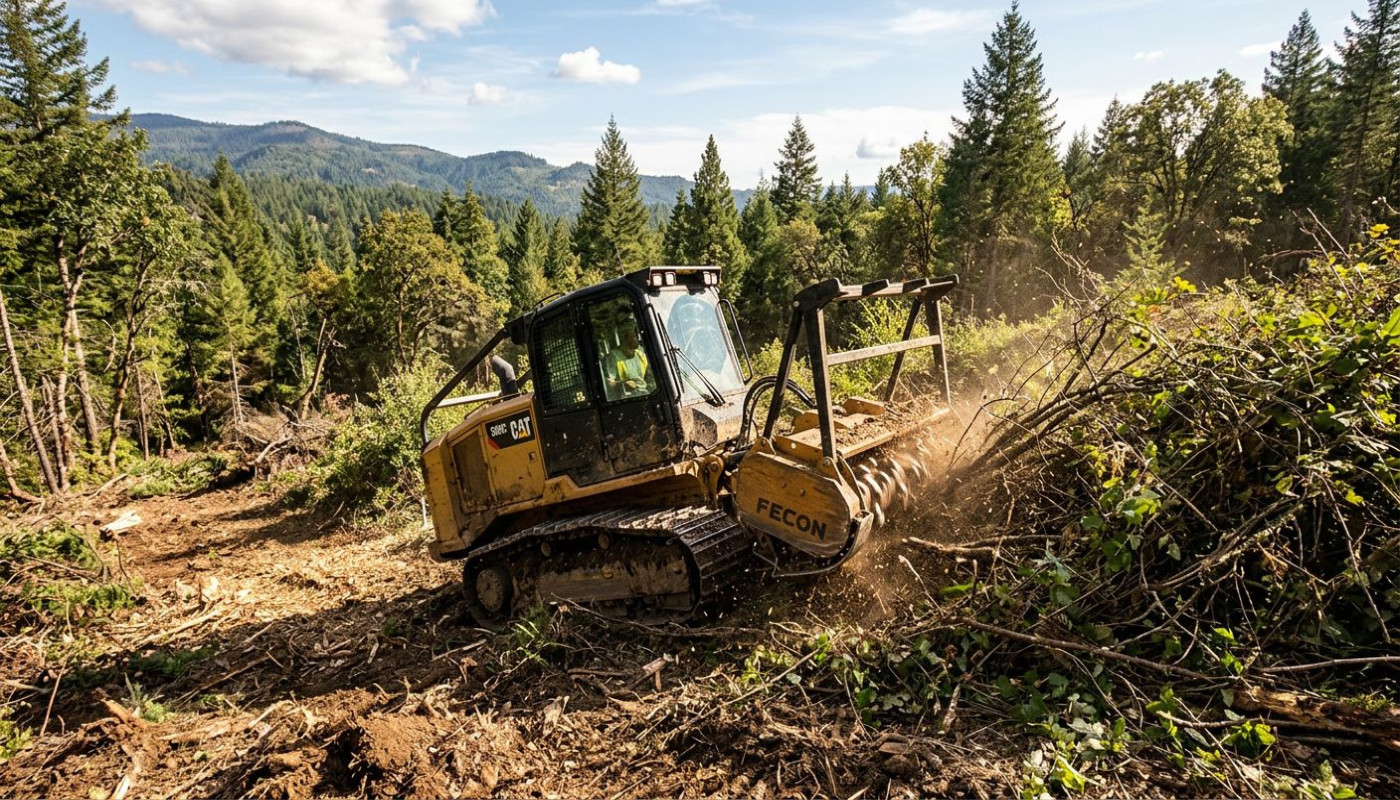
Modern forestry machinery, including mulchers, feller bunchers, and advanced brush cutters, has revolutionized brush clearing by dramatically accelerating the pace and scale at which land can be managed. Mechanization in brush clearing allows operators to replace traditional hand tools with powerful machines that utilize hydraulic power systems, ensuring greater reach and efficiency. These machines easily handle dense undergrowth and woody debris, enabling the clearing of larger tracts of land in a fraction of the time it would take using manual methods. The increased capacity of this equipment not only boosts productivity, but also significantly reduces the need for extensive manual labor, helping to minimize operator fatigue and safety risks associated with prolonged physical exertion.
Certified forestry operations managers recognize that the application of mechanized equipment in land management enhances overall efficiency by streamlining the brush clearing process. The adoption of hydraulic power systems in these machines delivers consistent performance, precise control, and adaptability to varied terrain, further optimizing land clearing tasks. This technological advancement not only supports environmental goals by preparing sites for reforestation or controlled burns, but also ensures that commercial operations can meet project deadlines with fewer delays and operational challenges.
For those seeking to maximize efficiency in forestry or land management, choosing the right machinery and understanding best practices is vital. Numerous resources and expert guidance are available regarding proper machine selection, maintenance, and operational techniques; for more tips here, visit https://vokoand.com/en/. Embracing mechanization in brush clearing ultimately ensures safer, faster, and more cost-effective results, benefiting both operators and landowners by conserving time and labor while improving the quality of the work.
Precision control and maneuverability
Modern forestry equipment has evolved to incorporate advanced control systems that greatly improve precision forestry and efficiency in brush removal. Joystick controls allow operators to make fine adjustments with minimal effort, enhancing the accuracy of movements in dense or sensitive environments. GPS technology enables precise navigation and monitoring, ensuring that selective clearing is achieved without damaging valuable trees or habitats. The use of articulated steering and an articulated chassis further boosts maneuverability, granting machines the agility to navigate tight spaces and rugged terrain. This combination of features not only streamlines brush removal but also supports sustainable land management by focusing on targeted, effective vegetation control while minimizing unnecessary disturbance to the surrounding ecosystem.
Enhanced safety features
Modern brush clearing equipment incorporates a range of safety innovations designed to support forestry safety and operator protection in challenging environments. Contemporary machines commonly feature reinforced operator cabins equipped with ROPS (Roll-Over Protective Structure), significantly minimizing the risk of injury during equipment rollovers. These cabins provide a shield against flying debris and hazardous vegetation, which are frequent dangers during brush clearing operations. In addition, many machines now offer remote operation capabilities, allowing operators to control brush clearing equipment from a safe distance and further reduce their direct exposure to potential hazards. Automatic shut-off systems are integrated as a layer of machine safety, instantly stopping equipment when irregularities or dangerous conditions are detected. Collectively, these advancements reflect a commitment to operator protection, enabling safer and more efficient brush clearing processes in forestry applications.
Environmental sustainability benefits
Modern forestry equipment plays a significant role in promoting sustainable forestry by integrating features that limit environmental impact during brush clearing. Manufacturers now prioritize innovations such as low-emission engines, which significantly cut down on air pollutants released during operations. Low ground pressure tracks distribute the machinery’s weight evenly, dramatically reducing soil compaction and preserving the delicate structure vital for long-term ecosystem health. Another advancement, mulching technology, allows the shredding and redistribution of brush and small trees as organic matter, enriching the soil rather than depleting it. This approach maintains natural nutrient cycles and helps prevent erosion, supporting the resilience of forests.
Brush clearing with these advanced tools not only accelerates land management but also aligns closely with sustainability goals. By using mulching attachments, operators return valuable biomass to the forest floor, creating a protective layer that retains moisture and supports new growth. This process ensures that essential habitats remain undisturbed and that the overall environmental impact is minimized. Sustainable forestry consultants often recommend such equipment for its balance between operational efficiency and commitment to maintaining ecosystem health, making modern machinery a preferred choice for environmentally conscious forestry projects.
Cost-effectiveness and long-term value
Investing in cost-effective forestry technology for brush clearing offers significant financial benefits for land management operations. Advanced brush clearing equipment is designed to require less manual labor, which translates into immediate reductions in staffing expenses and enhances overall project profitability. Furthermore, the adoption of modern machinery often means lower maintenance savings, since these machines incorporate robust components and smart systems that minimize downtime and repair needs. The extended lifespan of contemporary equipment, paired with features that promote reliability, contributes to a favorable total cost of ownership over time.
Efficiency improvements brought by the latest brush clearing equipment enable projects to be completed faster, allowing for more jobs to be tackled with the same resources. This accelerated pace not only optimizes resource allocation but also increases the investment value of each machine. By shortening project timelines and minimizing operational interruptions, land management organizations can achieve sustainable growth, maximize their return on investment, and develop a competitive edge in the industry. The cumulative effect is sustained long-term savings and enhanced operational capacity across diverse forestry applications.
Similar

How To Choose Your Next Gaming Adventure: Tips And Tricks

How Smart AI Is Revolutionizing Enterprise Support Systems?

Discover The Ease Of Navigation In Modern Digital Planners

The Evolution Of Wine Making Techniques In A Renowned Wine Region

Scientific Breakthroughs In CBD Research: What’s New On The Horizon?

Understanding The Role Of Gut Health In Functional Medicine

Understanding the Security Technologies Behind Safe Online Casinos

Why GPT Chatbots are a Game Changer for Digital Communication

How Tech Innovations are Revolutionizing Corporate Services in Hong Kong and China
